


Eleven years after Brazil’s worst environmental disaster, the landmark English judgment marks a watershed moment for multinational accountability and the pursuit of justice
On 5 November 2015, the collapse of the Fundão dam claimed 19 lives and unleashed more than 40 million cubic metres of mining waste, devastating communities along the Rio Doce, destroying livelihoods and leaving lasting damage to the environment on which so many depended.
More than a decade later, families and communities continue to live with the loss, disruption and uncertainty caused by the disaster.
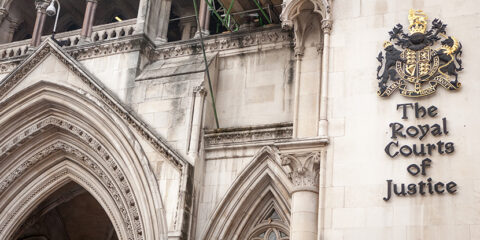
On 14 November 2025, the English High Court delivered a judgment that fundamentally changed the course of their pursuit of justice. After years of complex litigation, the Court found BHP liable under Brazilian law for the collapse of the dam. It was the first time one of the mining companies behind the disaster had been found legally responsible for its collapse.
The judgment was a watershed moment, not only for the victims of Mariana, but for the wider principle of corporate accountability. It demonstrated that multinational corporations can be held accountable through the English courts for environmental harm occurring thousands of miles away, and that the scale and resources of a global business need not place it beyond legal challenge.
It also reinforced the importance of collective litigation in giving individuals, small businesses and communities the ability to pursue justice against some of the world’s largest corporations.
BHP was subsequently refused permission to appeal the liability judgment. The proceedings are now moving towards Stage 2, scheduled to begin in April 2027, which will examine the losses suffered by claimants and the compensation sought.
For those affected, establishing liability was an extraordinary achievement. But the significance of that victory will ultimately be measured by the difference it makes to their lives.
PGMBM has worked on behalf of hundreds of thousands of people affected by the Mariana dam disaster for more than eight years. The firm continues to represent its clients in one of the largest group actions in English legal history and has strengthened the resources supporting the case, with Quinn Emanuel working alongside its established legal teams in the United Kingdom and Brazil. Together, the teams are focused on advancing the proceedings, preparing the claims for assessment and exploring opportunities to achieve a fair resolution for those affected.
Alicia Alinia, CEO of PGMBM:
“Eleven years after the Fundão dam collapsed, hundreds of thousands of people are still living with the consequences of a disaster that should never have happened. For those who lost loved ones, homes and livelihoods, justice cannot be measured by legal victories alone.
“Last November’s judgment was a historic breakthrough. For the first time, one of the mining companies behind the disaster was held legally liable for the collapse. It was an important victory for those affected and demonstrated that multinational corporations can be held accountable for environmental harm, even across international borders.
“But accountability must lead to meaningful compensation. Our clients have already waited more than a decade, and they deserve a fair resolution, not endless litigation. We have strengthened the legal teams and resources supporting this case, and our focus is firmly on the next stage of proceedings and securing the best possible outcome for those we represent.”
Mariana dam case timeline:
- November 2015: Fundão dam collapses in Mariana, Brazil, killing 19 people and causing Brazil’s worst environmental disaster. The Fundão iron ore tailings dam was operated by Samarco, a joint venture between BHP and Vale.
- 2018: Legal proceedings against BHP begin in England.
- 2020: The High Court declines jurisdiction and strikes out the claims as an abuse of process.
- 2022: The Court of Appeal overturns the decision, allowing the claims to proceed in England.
- October 2024 – March 2025: Stage 1 trial examines BHP’s liability for the disaster.
- November 2025: Landmark High Court judgment finds BHP liable, marking the first time one of the mining companies behind the dam was held legally responsible.
- May 2026: BHP is refused permission to appeal the liability judgment.
- April 2027: Stage 2 trial scheduled to begin, focusing on claimants’ losses and compensation.